

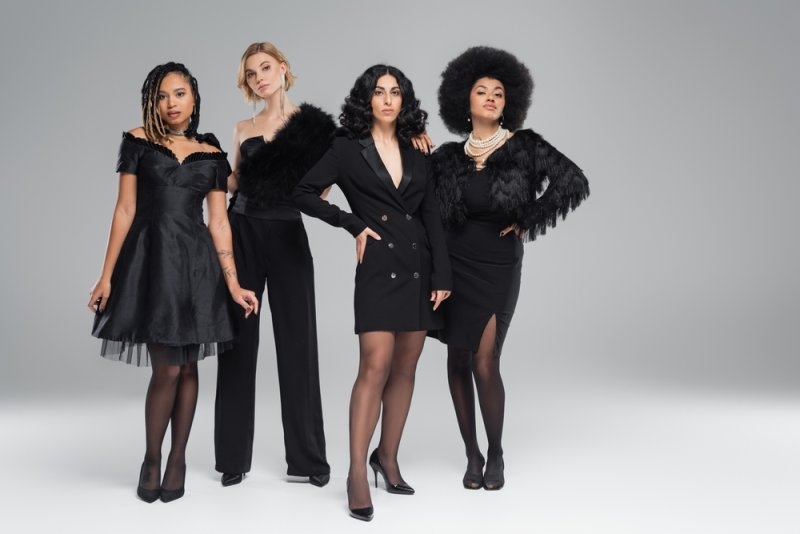
Learning how to dress for your body shape can make building outfits easier if you are shopping for necessities, buying work clothes, or preparing for an event. Body proportions allow you to know what cuts and materials you prefer in clothing. But body shape is not a fashion guideline that you have to abide by to dress well. You don’t have to hide anything about your appearance to dress well. Instead, use body shape as a starting point for finding clothes that fit comfortably, complement your proportions, and express your personality.
Before picking outfits for different body shapes, find the general correlation between your shoulders, bust, waist, and hips. Body type is a description of the proportions of your body, not your weight or dress size.
Stand up in front of the mirror naturally and notice what part of your body looks wider and where your waist pinches in. If you would like to have measurements, measure your bust, waist, and hips with a flexible measuring tape without pulling it.
There are four most common body types, as mentioned below:
All of these body types are simply descriptions of physical attributes and may not be absolute categories. You could belong to multiple categories, and these body proportions may change as you age. It’s best to base your fashion choices on your body measurements.
Also Read: How to Wear a Silk Scarf: 11 Sleek Ways to Style in 2026
When you know your basic silhouette, choose your fashion style according to your proportions and daily needs. Here you'll find some useful body shape styling tips to start with.
In case your bust and hips are approximately equal and your waist is clearly defined, consider dressing in such ways that follow the line of your natural form without any restriction of movement. It could be wrap tops, fitted shirts, and tailor-cut blouses combined with high-waist straight-leg jeans, bootcut pants, or pencil skirts. Wrap dresses and fit-and-flare dresses will be good choices for formal occasions as well.
For your daily life, opt for straight-leg jeans worn with a tucked-in top and jacket. In the case of a formal occasion, a wrap dress will be able to create a clear silhouette for you without any special effort in styling. If loose clothing suits you better, an oversized shirt may also work well depending on its proportions.
If your hips are bigger than your shoulders, try playing around with creating visual interest in the top half of your body while opting for bottom wear that fits you comfortably on your hips.
There are plenty of ways to add interest through straight-leg jeans, wide-leg pants, and A-line skirts. Structured jackets will add some definition, but do remember that different jacket lengths will affect your proportions differently. An easy outfit option could be a printed blouse and dark straight-leg trousers. Nonetheless, if you prefer to emphasise your hips, then you can go for skirts or jeans that fit you perfectly.
The aim here is to make sure that you enjoy the combinations that you are creating, regardless of your body type.
If your middle is fuller compared to your hips, try on clothes that are comfortable around the waist and suit your body type well. V-neck shirts and loose blouses, as well as draping fabrics, serve as options rather than tight-fitting tops. Wide-leg jeans, straight-leg pants, and mid-rise pants can work perfectly well.
As for dresses, you can opt for a wrap style, empire-waist dresses, or a structured shift dress. Long and open jackets will help you to achieve vertical lines without making your body look bulky.
You may wear a V-neck blouse and straight-leg pants, topped with an open jacket. Do not think that oversized clothes always make one look slimmer because shoulder width, length of sleeves, and fabric can matter more than the overall size.
If your shoulders, waist, and hips are all similar in their dimensions, look into clothes that help define them and create intriguing proportions. Other clothing options include pleated pants, wide-leg jeans, and flared skirts. Dresses to consider wearing include belted shirt dresses, wrap dresses, or fit-and-flare dresses. You could also opt for cropped jackets and structured blazers that would provide more shape to your outfits but without being too formal.
In a casual outfit, combine wide-leg jeans with a fitted top and a cropped jacket. Straight-cut dresses are another option if you like a sleek silhouette. There is no necessity for you to look curvy if you do not wish to.
The process of selecting flattering outfits for women is not only about determining one's body type. There are some helpful tips that can aid in creating well-coordinated looks.
Firstly, pay attention to fit. The shoulder seams, waistbands, and trouser lengths must be comfortable, and alterations will make any good-looking piece look even better. Well-fitted basics usually have a more put-together look compared to trendy garments, which do not sit well and pull, stretch, or constrict the wearer.
Secondly, consider the structure and fabric of your clothing. The stiff and structured material keeps its shape, whereas soft fabrics hug the body. No option is preferable per se; the choice depends on the style and movement that a certain fabric allows. Also, the colour scheme and patterns play a role in defining how the outfit looks. While contrasting colours create separation of the pieces, monochrome looks are united.
Finally, try playing with proportions. Put together an elongated top with a pair of slim trousers or combine a short jacket with high-waisted jeans. Play with hems, sleeves, and necklines and see how the smallest detail can change the entire look. Belts and other accessories can be used to create contrast and highlight certain elements but are not necessary.
The outfits that suit your body shape should also suit your lifestyle, budget, and comfort level. You don’t need a brand new wardrobe to implement this information. Instead, build on what you have, find the combinations that work for you, and add something new only when it is necessary.
Must Read: Ultimate Guide to Craft a Capsule Wardrobe That Women Love
Dressing for your shape means learning about your proportions, finding clothes that look good on you, and trying different looks that reflect your personality. Body type categories can be used as guidelines rather than rules to follow. Start with clothes you already like, and see why they look good and what features make them universal. The aim here is not to create a certain type of body but to feel comfortable wearing the clothes.
First, determine your basic proportions, and then play around with different cuts, waists, and fabrics that suit you nicely. Follow the guidelines for your body shape as a basis, but pay more attention to your style and movements.
Try out various shapes and analyse how well each piece suits your shoulders, waist, hips, and proportions in general. Focus on fabric, cut, and comfort instead of body shape and clothing size.
Compare the proportions of your shoulders, bust, waist, and hips in front of a mirror or with measuring tape. Recognise the closest body shape, and try out some different styles.
Hourglass shapes can try wrap styles, pear shapes can experiment with detailed tops, apple shapes can explore softly draped outfits, and rectangle shapes can try belted or layered looks. These are suggestions, not restrictions.
Choose clothes that fit well, reflect your personality, and let you move comfortably. Experiment with styling techniques that make you feel good, and remember that confidence comes from wearing what you enjoy rather than following every fashion rule.
This content was created by AI